

HVACR
All services
HVACR
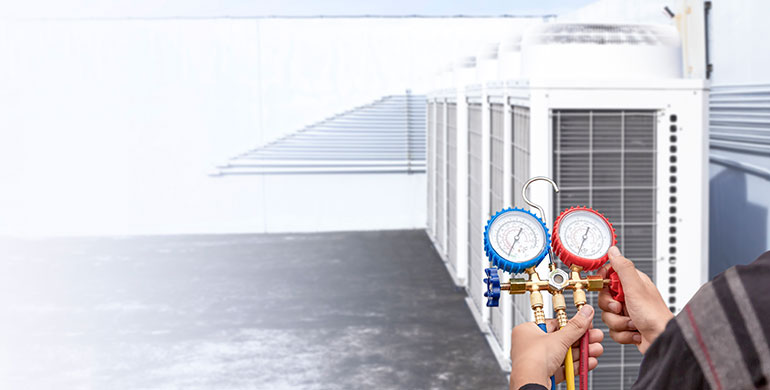
HVACR stands for Heating, Ventilation, Air Conditioning, and Refrigeration. HVACR systems play a vital role in maintaining indoor comfort, air quality, and temperature control in residential, commercial, and industrial environments. From homes and offices to hospitals, factories, and cold storage facilities, HVACR technology ensures comfort, safety, and energy efficiency.
Heating Systems
Heating systems are designed to maintain warm indoor temperatures during cold weather. Common HVACR heating solutions include:
- Furnaces (gas, electric, or oil-based)
- Boilers
- Heat Pumps
- Radiant Heating Systems
These systems distribute heat through air ducts, radiators, or floor systems to create a comfortable indoor environment.
Ventilation Systems
Ventilation is essential for maintaining healthy indoor air quality. It removes stale air, odors, moisture, dust, and pollutants while introducing fresh air.
Key ventilation components include:
- Air ducts
- Exhaust fans
- Air handling units (AHUs)
- Fresh air intake systems
Proper ventilation reduces humidity, prevents mold growth, and improves occupant health.
Air Conditioning Systems
Air conditioning systems regulate indoor temperature and humidity, especially in hot climates. HVACR air conditioning systems work by removing heat and moisture from indoor air.
Common types include:
- Split air conditioning systems
- Central air conditioning
- Packaged units
- VRF/VRV systems
Modern AC systems are designed for energy efficiency, quiet operation, and precise temperature control.
Refrigeration Systems
Refrigeration is a key part of HVACR, especially for commercial and industrial applications. These systems maintain low temperatures for food storage, pharmaceuticals, and industrial processes.
Applications include:
- Cold storage warehouses
- Supermarkets and freezers
- Food processing plants
- Medical and laboratory refrigeration
Importance of HVACR Systems
HVACR systems provide multiple benefits, including:
- Enhanced comfort and productivity
- Improved indoor air quality
- Energy efficiency and cost savings
- Safe storage of perishable goods
- Compliance with health and safety standards
Energy Efficiency & Sustainability
Modern HVACR systems focus on sustainability by using:
- Energy-efficient compressors
- Eco-friendly refrigerants
- Smart thermostats
- Heat recovery systems
These innovations help reduce energy consumption and lower carbon emissions.
Maintenance & Service
Regular HVACR maintenance is essential for optimal performance. Routine inspections, filter cleaning, refrigerant checks, and system servicing help extend equipment life and prevent breakdowns.