

Fire Protection Valves
All services
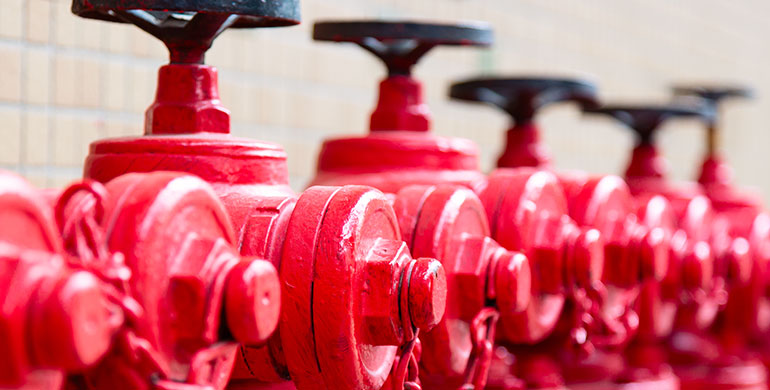
Fire Protection Valves
Fire protection valves are critical components of fire safety systems, controlling the flow of water or other extinguishing agents to suppress fires effectively. They ensure that fire protection systems, such as sprinklers, hydrants, and hose reels, operate reliably during emergencies. Proper selection, installation, and maintenance of fire protection valves are essential for life safety, property protection, and regulatory compliance.
What Are Fire Protection Valves?
Fire protection valves regulate, control, and isolate the flow of water or extinguishing agents in fire protection networks. These valves are designed to withstand high pressures and ensure that the fire suppression system performs optimally when needed.
Types of Fire Protection Valves
- Gate Valves
- Used for on/off control of water flow
- Ideal for main water supply lines
- Butterfly Valves
- Offer quick shut-off and flow regulation
- Suitable for large-diameter piping systems
- Check Valves
- Prevent backflow of water or foam
- Ensure proper directional flow in fire systems
- Pressure-Reducing Valves (PRV)
- Control water pressure to protect piping and sprinklers
- Maintain system efficiency
- Alarm Valves
- Automatically trigger alarms when water flows in sprinkler systems
- Integrated with fire alarm panels for monitoring
- Deluge Valves
- Used in high-hazard areas with open sprinkler heads
- Release large volumes of water instantly when activated
- Control Valves
- Regulate, start, or stop water supply to specific sections
- Can be manual or motorized
Importance of Fire Protection Valves
Fire protection valves play a critical role in:
- Ensuring water or extinguishing agent reaches the fire
- Preventing damage to the fire system from overpressure
- Enabling system maintenance and isolation without shutdown
- Enhancing response time in emergencies
- Complying with fire safety standards and regulations
Installation & Compliance
Fire protection valves must be installed by qualified professionals following standards such as:
- NFPA 13 – Sprinkler System Installation
- NFPA 14 – Standpipe and Hose Systems
- EN 12259 – European Standard for Fire Protection Valves
- Local fire safety codes and civil defense regulations
Proper installation ensures accessibility, visibility, and reliable operation during emergencies.
Maintenance & Inspection
Regular inspection and maintenance are essential for operational reliability:
- Check for leaks, corrosion, and mechanical damage
- Verify valve operation (open/close function)
- Test alarm and deluge valves periodically
- Ensure valve signage and accessibility are intact
Applications
Fire protection valves are used in:
- Residential and commercial buildings
- Industrial plants and warehouses
- Hospitals, schools, and hotels
- Airports and transportation facilities
- Oil, gas, and chemical facilities