

All services
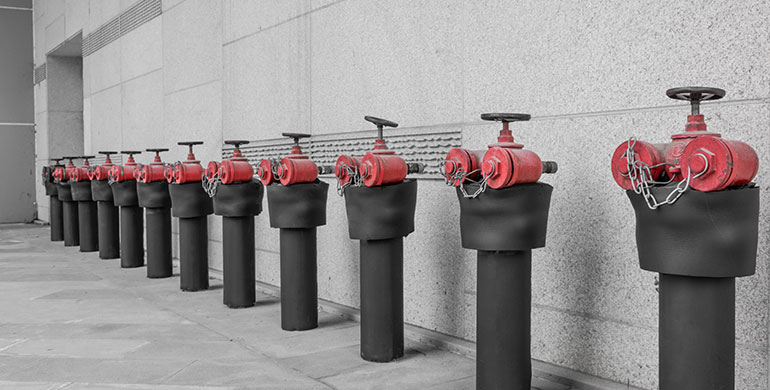
Fire Hydrants
Fire hydrants are an essential part of fire protection infrastructure, providing firefighters with immediate access to a reliable water supply during emergencies. Installed in residential, commercial, and industrial areas, fire hydrants play a crucial role in controlling and extinguishing fires, helping to save lives and protect property.
What Is a Fire Hydrant?
A fire hydrant is a water outlet connected to an underground water supply system. It allows firefighters to quickly connect hoses and deliver high-pressure water to combat fires. Fire hydrants are designed for durability, visibility, and rapid operation in emergency situations.
Types of Fire Hydrants
Fire hydrants are categorized based on installation and climate conditions:
- Wet Barrel Fire Hydrants
Commonly used in warm climates, these hydrants have water stored inside the barrel at all times, allowing quick access. - Dry Barrel Fire Hydrants
Suitable for cold regions, these hydrants remain dry until activated, preventing freezing during low temperatures. - Wall-Mounted Fire Hydrants
Installed on building exteriors, commonly used in industrial and commercial facilities. - Underground Fire Hydrants
Installed below ground level, often used where space or aesthetics are a concern.
Key Components of a Fire Hydrant
- Main valve
- Barrel and bonnet
- Nozzles and caps
- Operating nut
- Drain valve
Each component is engineered to ensure smooth operation and reliable water flow during emergencies.
Importance of Fire Hydrants
Fire hydrants provide several critical benefits:
- Immediate water access for firefighting
- Enhanced fire response time
- Protection of life and property
- Compliance with fire safety regulations
- Support for emergency services
Installation & Standards
Fire hydrant installation must comply with local and international fire safety standards such as NFPA, AWWA, and local civil defense requirements. Proper spacing, water pressure, and visibility are essential for effective performance.
Maintenance & Inspection
Regular maintenance ensures hydrants function correctly when needed. Key maintenance activities include:
- Visual inspections
- Pressure and flow testing
- Lubrication of moving parts
- Checking for leaks and corrosion
- Ensuring caps and valves are operational
Applications
Fire hydrants are widely used in:
- Residential communities
- Commercial buildings
- Industrial plants
- Warehouses and factories
- Airports and seaports