

All services
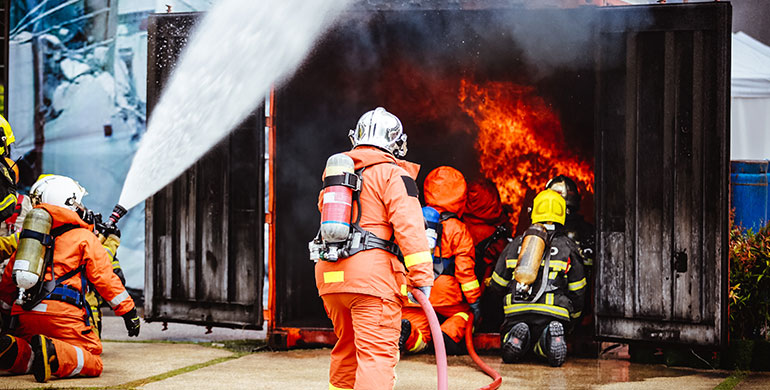
Fire Fighting
ire fighting is the process of preventing, controlling, and extinguishing fires to protect lives, property, and the environment. Effective fire fighting requires a combination of trained personnel, specialized equipment, and well-designed fire protection systems. From small residential fires to large industrial incidents, fire fighting is an essential component of safety and emergency management.
What Is Fire Fighting?
Fire fighting involves using various techniques, tools, and strategies to suppress and control fires. It is not limited to putting out flames but also includes preventing fire spread, rescuing individuals, and mitigating damage. Modern fire fighting integrates technology, training, and fire protection systems for efficient response.
Types of Fire Fighting Techniques
Fire fighting methods are chosen based on the type of fire, available resources, and environment:
- Water-Based Fire Fighting
- Uses water to cool flames and reduce fire intensity
- Effective on Class A fires (wood, paper, cloth)
- Foam Fire Fighting
- Uses foam to smother flammable liquid fires (Class B)
- Prevents re-ignition by forming a protective blanket
- Dry Chemical Fire Fighting
- Uses powder agents to interrupt chemical reactions
- Effective for Class B, C, and electrical fires
- Gas-Based Fire Fighting
- Uses clean agents or CO₂ to suppress fires without leaving residue
- Ideal for data centers, control rooms, and sensitive equipment
- Specialized Techniques
- Fire blankets, sand, and fire retardants for small or localized fires
Fire Fighting Equipment
Modern fire fighting relies on a wide range of equipment, including:
- Fire extinguishers
- Fire hoses and hose reels
- Sprinkler systems
- Fire hydrants and cabinets
- Foam systems and suppression agents
- Protective gear for firefighters (helmets, suits, breathing apparatus)
- Fire trucks and mobile firefighting units
Importance of Fire Fighting
Effective fire fighting provides multiple benefits:
- Protects human life and prevents injuries
- Minimizes property and infrastructure damage
- Reduces environmental impact from uncontrolled fires
- Ensures business continuity and operational safety
- Supports compliance with fire safety regulations
Fire Fighting in Industries and Critical Facilities
Industrial facilities, warehouses, hospitals, and commercial buildings require specialized fire fighting strategies due to the higher risk of flammable materials, chemicals, or electrical hazards. Key systems include:
- Automated sprinkler systems
- Foam suppression systems
- Clean agent fire suppression
- Fire alarms and detection systems
Training and Preparedness
Fire fighting is not only about equipment—it requires skilled personnel trained to respond quickly and safely. Fire drills, emergency response plans, and awareness programs are critical to reducing risks and improving reaction time during fire emergencies.